
For more than 150 years, the Diocese of St. Augustine has been led by shepherds who guided the Church through war, growth, reform and renewal. Each bishop helped shape the mission of this local Church in North Florida and strengthened its witness to the Gospel.
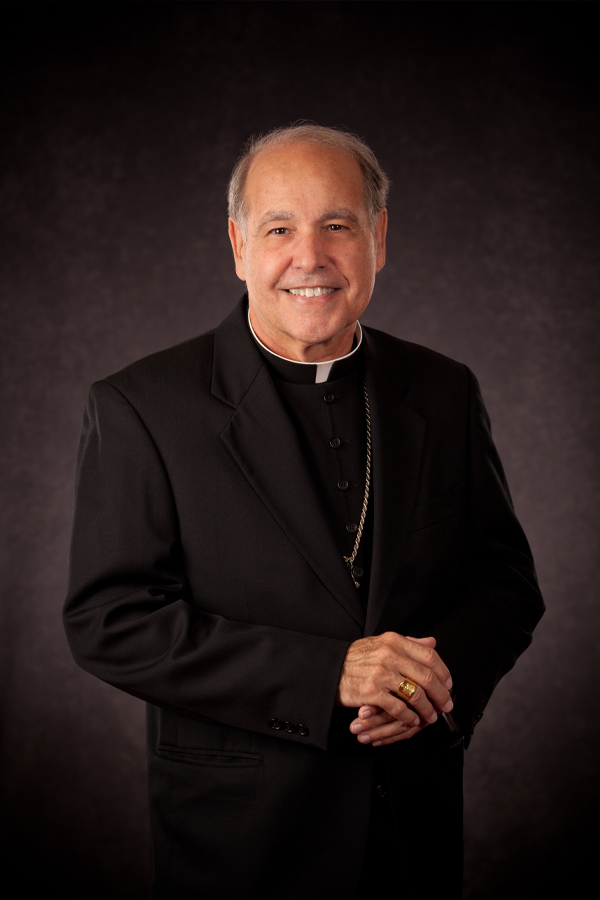
Most Rev. Felipe J. Estévez
Tenth Bishop (2011–2022)
Bishop Estévez strengthened the diocese’s missionary and Eucharistic identity, establishing an annual Eucharistic Congress and advancing the Shrine of Our Lady of La Leche as a National Shrine. During his episcopacy, the image of Our Lady of La Leche was canonically crowned, and he became a strong public advocate for the abolition of the death penalty in Florida.
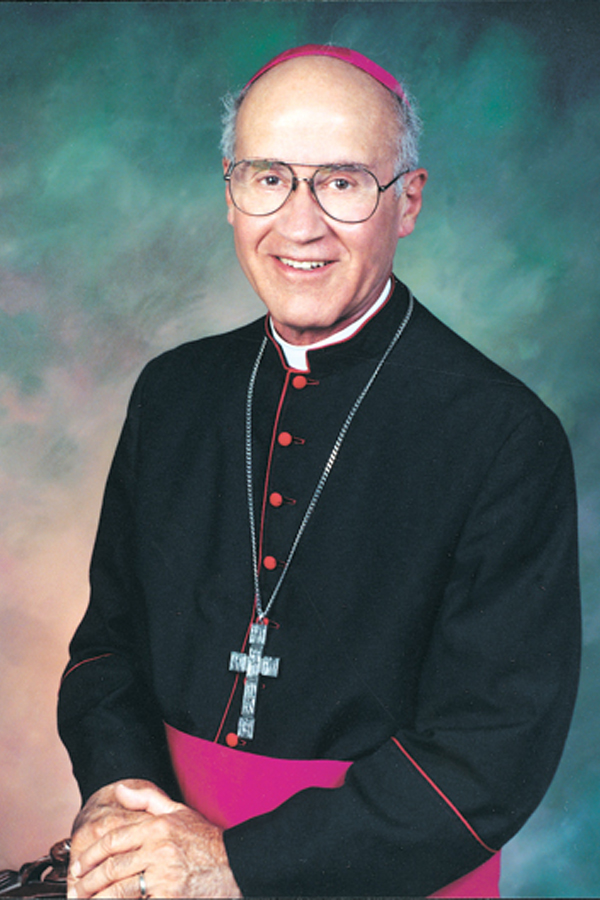
Most Rev. Victor Galeone
Ninth Bishop (2001–2011)
Ordained just 21 days before the September 11 attacks, Bishop Galeone led the diocese
through national crisis and the nationwide response to clergy abuse. He later guided the Church in North Florida through economic hardship, restoring diocesan financial stability during the 2008 downturn.
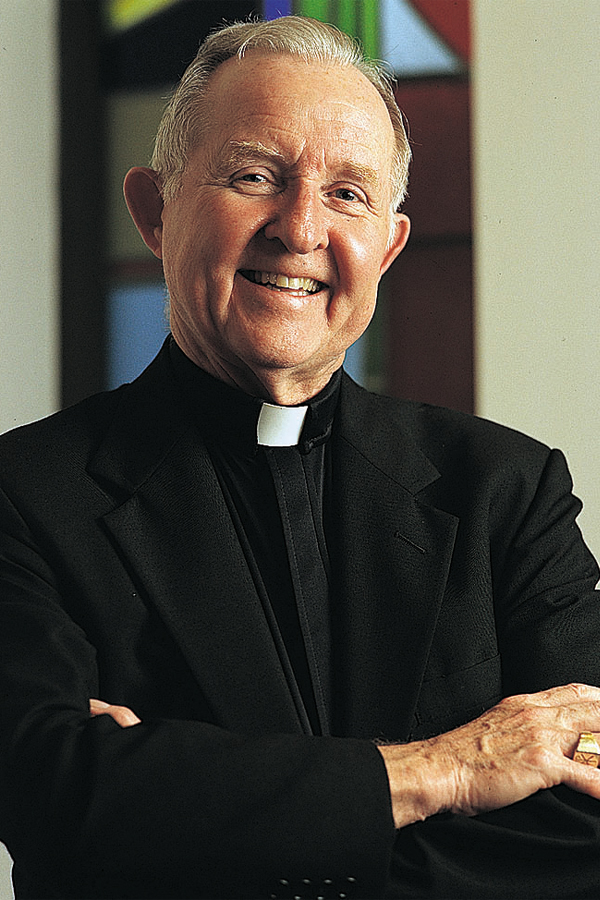
Most Rev. John J. Snyder
Eighth Bishop (1979-2000)
Bishop Snyder was known for his unwavering defense of human dignity. He strengthened
ministries to prisoners, persons with disabilities and those on the margins, and he stood publicly and pastorally with inmates on Florida’s death row, giving witness to the Church’s
teaching on the sanctity of life.
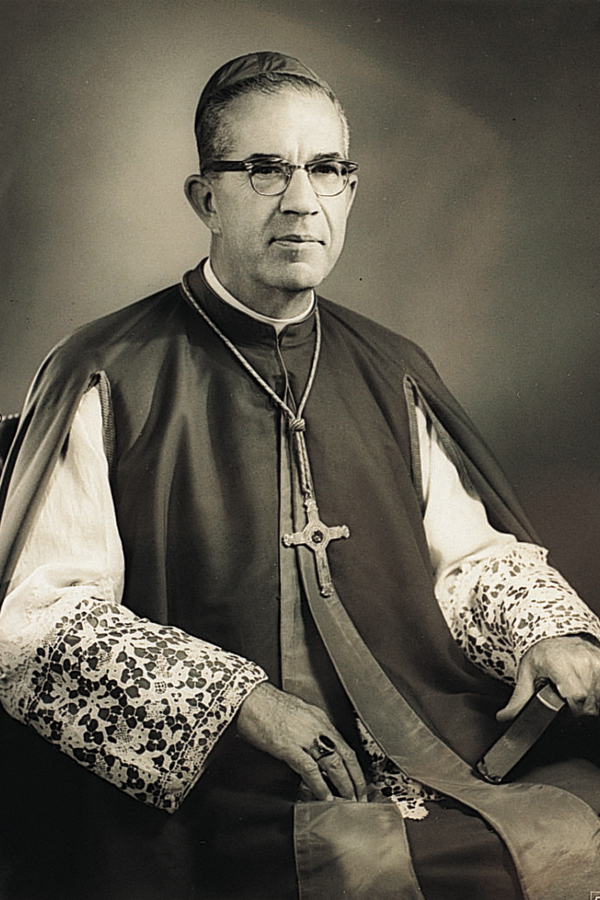
Most Rev. Paul F. Tanner
Seventh Bishop (1968–1979)
Appointed during the reforms of the Second Vatican Council, Bishop Tanner guided the diocese
through restructuring and encouraged greater lay participation and liturgical renewal.
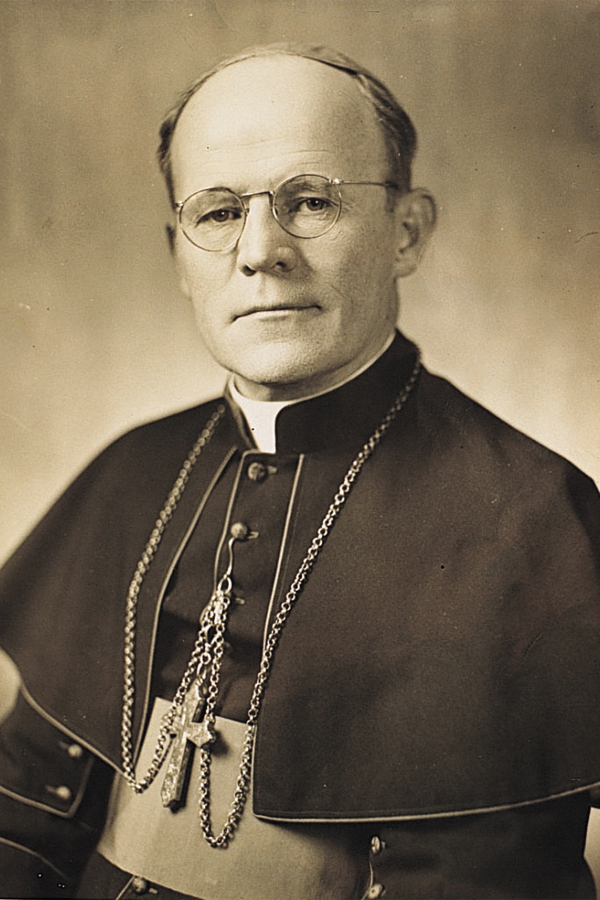
Most Rev. Joseph P. Hurley
Sixth Bishop (1940–1967)
A former Vatican diplomat, Archbishop Hurley guided the diocese through World War II and
rapid postwar growth. Foreseeing Florida’s expansion, he acquired property across the state,
laying the groundwork for generations of parishes, schools and Catholic ministries.
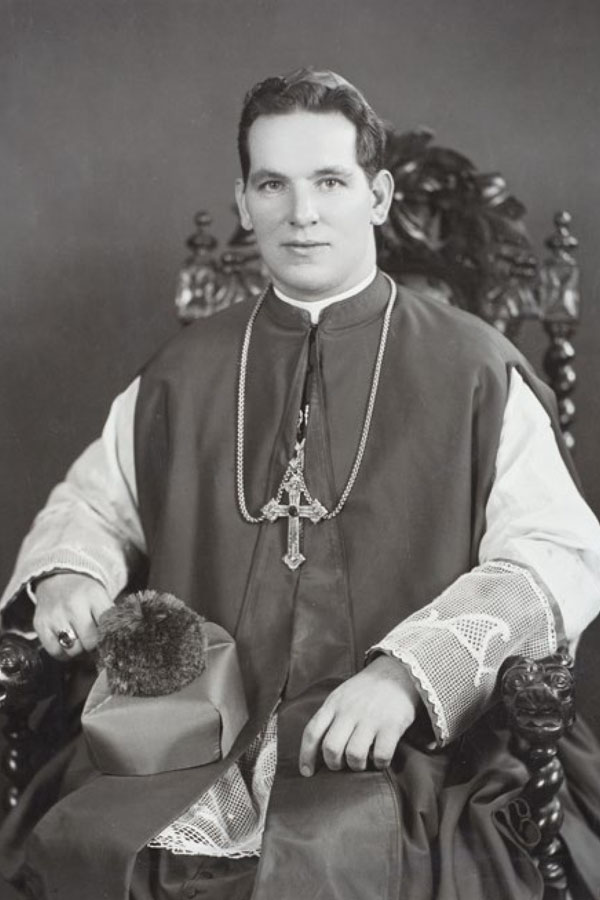
Most Rev. Thomas McDonough
Named Auxiliary Bishop of St. Augustine (March 10, 1947)
Bishop Thomas McDonough is often forgotten when it comes to naming the leaders of the Diocese of St. Augustine, but he served the diocese for a decade as auxiliary bishop while Bishop Joseph P. Hurley served in Yugoslavia.
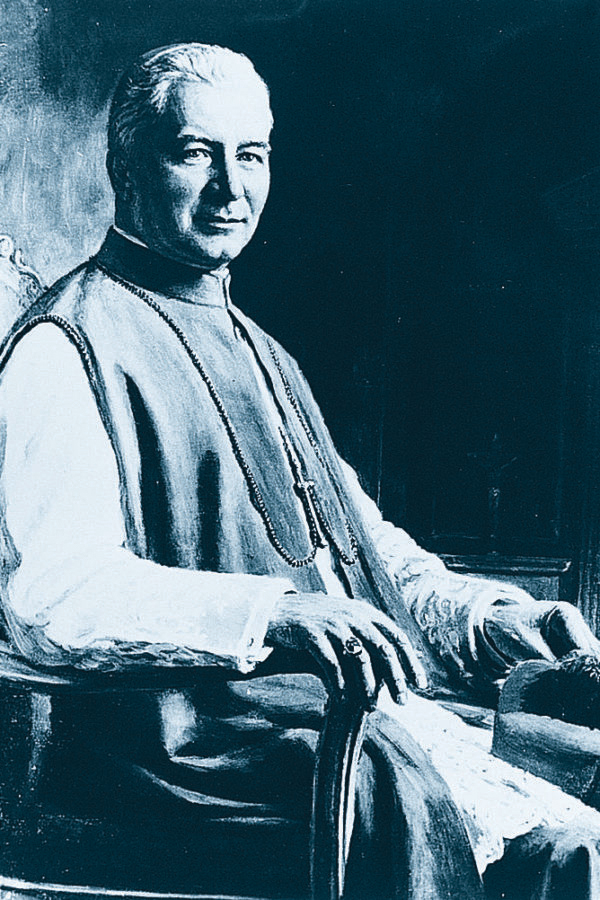
Most Rev. Patrick Barry
Fifth Bishop (1922–1940)
Bishop Patrick Barry led during Florida’s land boom, hurricane devastation and the Great
Depression. He strengthened diocesan finances and promoted pilgrimage to the Shrine of Our Lady of La Leche.
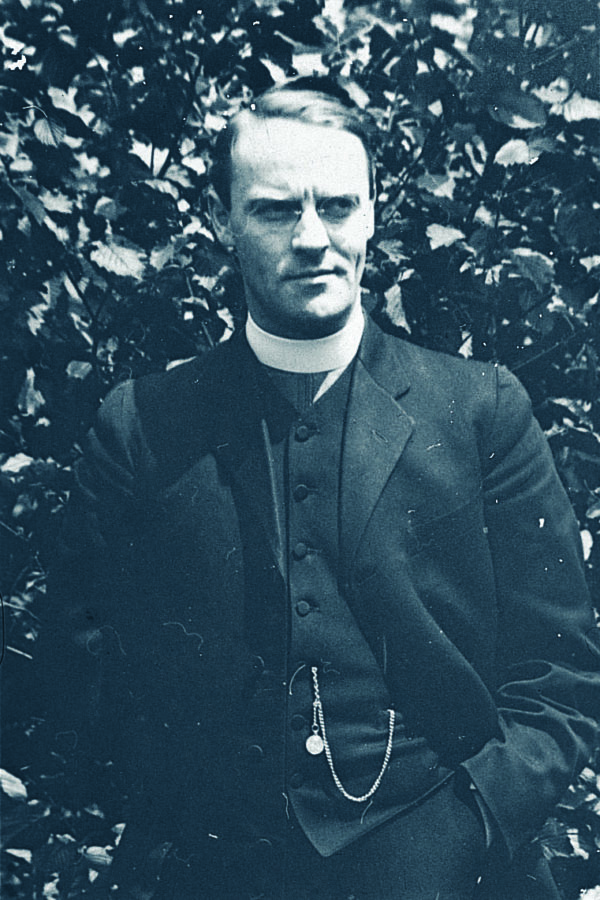
Most Rev. Michael J. Curley
Fourth Bishop (1914–1921)
Appointed at age 34, Bishop Michael Curley expanded parishes statewide and defended Catholic education and religious liberty before being called to lead the Archdioceses of
Baltimore and Washington.
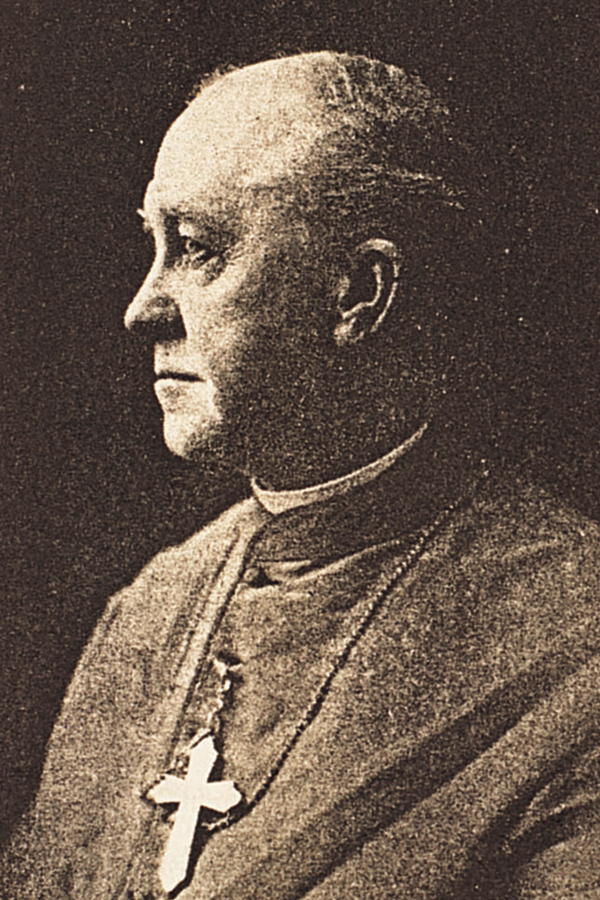
Most Rev. William J. Kenny
Third Bishop (1902–1913)
The first American-born bishop of St. Augustine and a diocesan priest, Bishop Kenny guided the Church through crisis and growth, supporting education and establishing the diocese’s first African American mission.
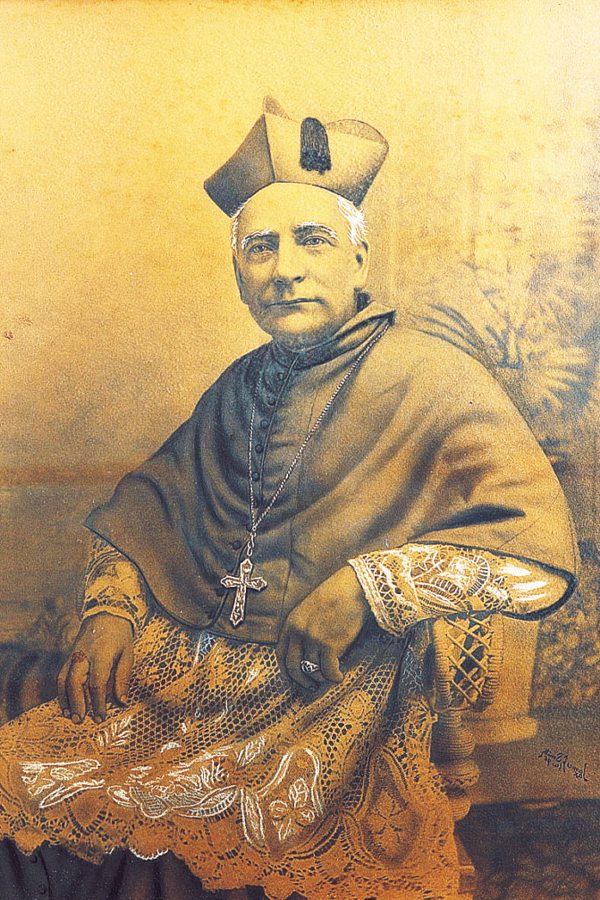
Most Rev. John Moore
Second Bishop (1877–1901)
Bishop John Moore strengthened the young diocese during epidemic, fire and expansion. Known for steady leadership, he rebuilt the Cathedral and expanded schools and parishes
throughout Florida.
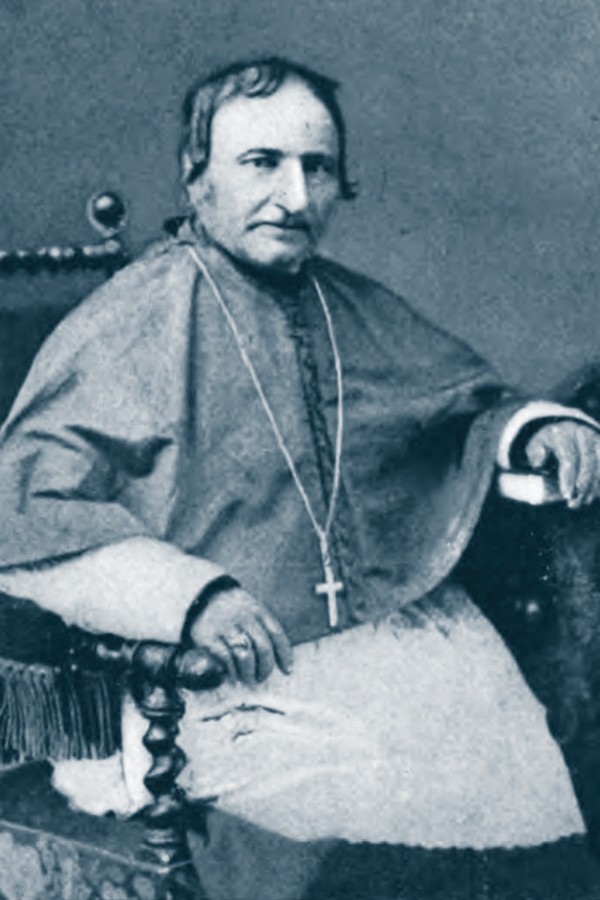
Most Rev. Augustin Verot
First Bishop (1870–1876)
The founding bishop of the Diocese of St. Augustine, Augustin Verot led the Church in Florida during the Civil War and Reconstruction. He established the diocese’s foundation and advanced Catholic education across the state.
Priests of the Diocese Who Became Bishops
Throughout its history, the Diocese of St. Augustine has formed priests who were later called to serve as bishops in other dioceses in the United States and abroad. Their service reflects the missionary spirit and lasting influence of this local Church.
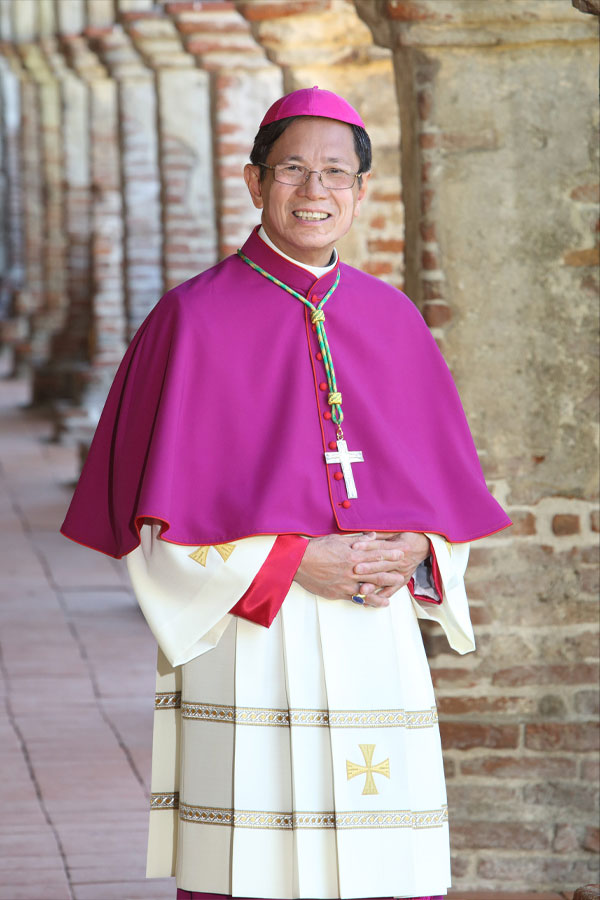
Auxiliary Bishop Thanh Thai Nguyen
In 2017, Thanh Thai Nguyen was appointed an auxiliary bishop of Orange, Calf. He and his family fled Vietnam in 1979 in a boat. After his ordination in 1999 with the LaSalette order, he transferred to the St. Augustine diocese to minister to the growing Vietnamese community. As auxiliary bishop, he oversees the largest community of Vietnamese in the country.
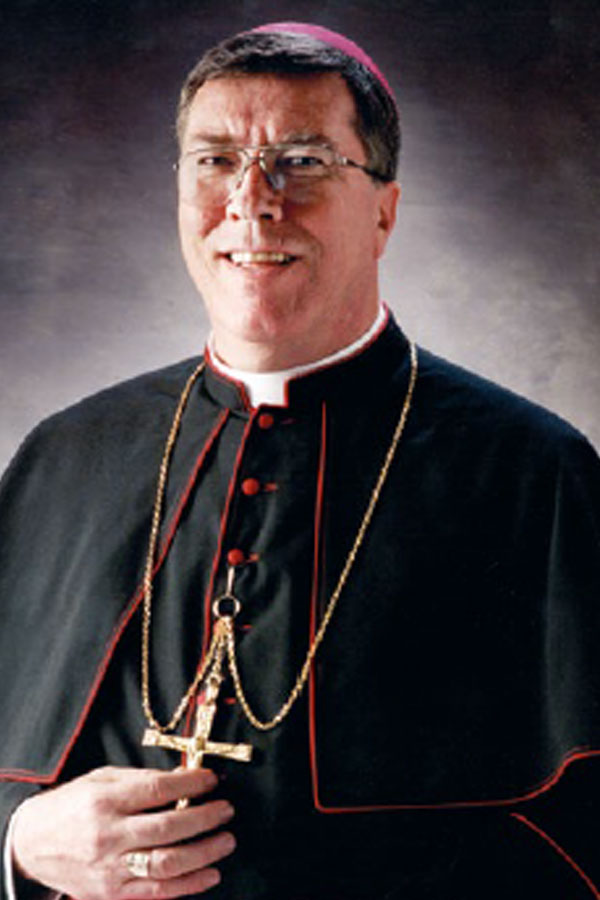
Bishop Robert J. Baker
Ordained a priest in 1970 by Bishop Paul Tanner, was named bishop of Charleston in 1999 and in 2007 as bishop of Birmingham, where he still serves. In both dioceses, he oversaw an expansion of parishes, schools, and ministries. He has written several books, including a novel, Cacique: A Novel of Florida’s Heroic Mission History.
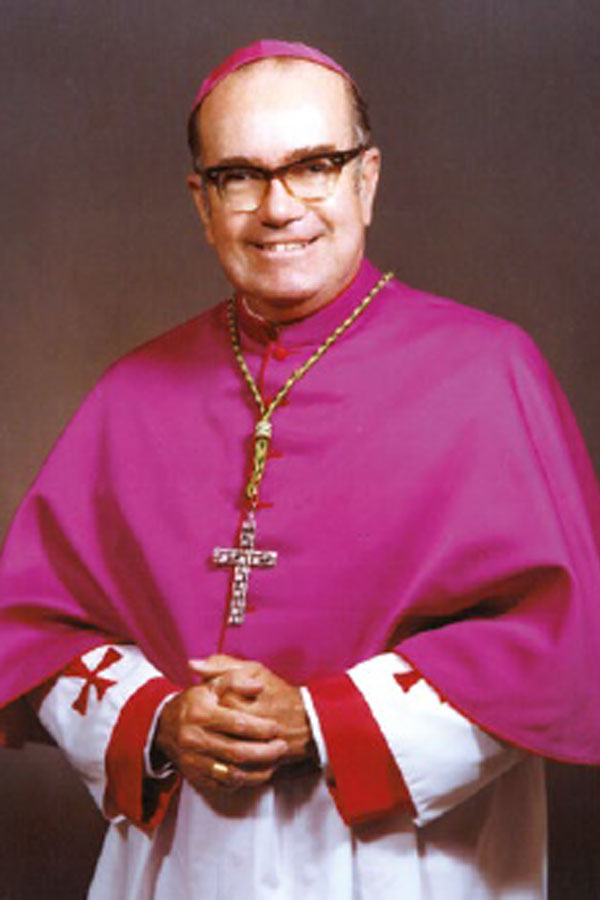
Bishop William T. Larkin
Ordained in St. Augustine in 1947, was named bishop of the Diocese of St. Petersburg in 1979. He oversaw an expansion of the diocese until his retirement in 1988. He established 19 parishes, diocesan offices for Hispanics, African-Americans and the disabled and oversaw the creation of the radio station Spirit FM on 90.5 in Tampa .He also is remembered for tutoring his roommate in seminary – Karol Wojtyla – in English. Years later, Pope John Paul II ordained his former roommate as bishop of St. Petersburg. Pope John Paul II died in 2006 and was canonized on April 27, 2014.
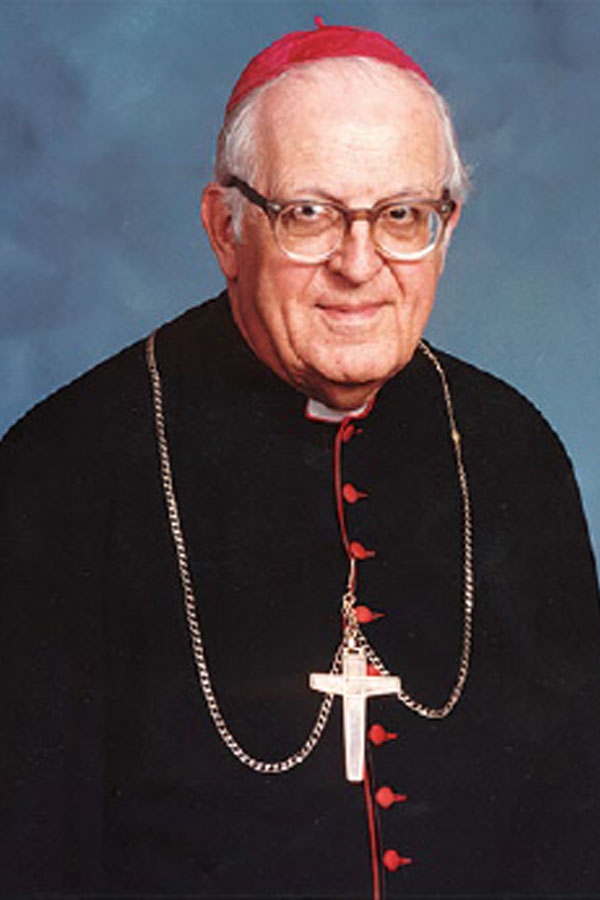
Bishop John J. Fitzpatrick
Ordained in the Diocese of Buffalo in 1942, moved to the St. Augustine diocese in 1948. When the Archdiocese of Miami was established in 1958, he transferred to the new archdiocese. In 1968 he was named auxiliary bishop of Miami, and in 1971 he was appointed the bishop of Brownsville in Texas. He died in 2006.
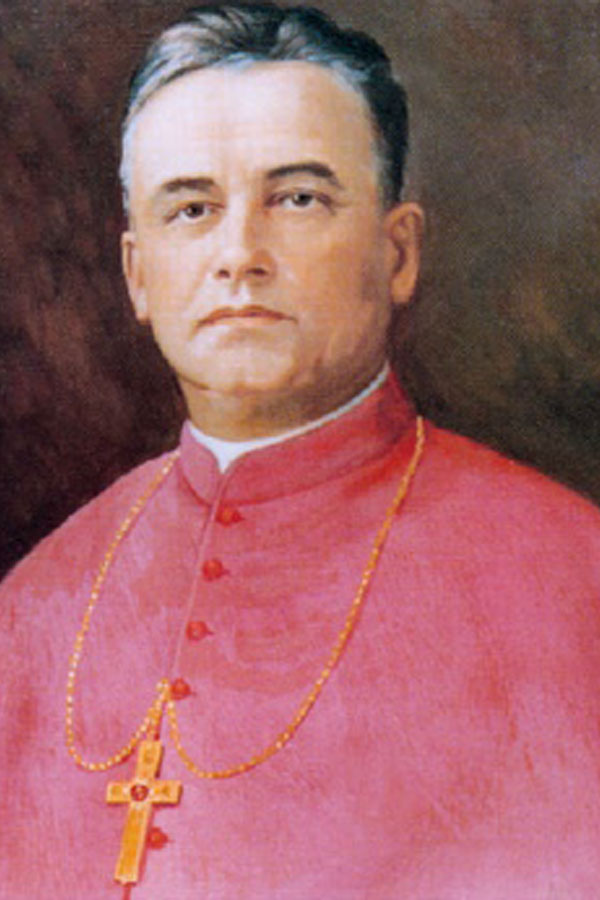
Bishop William Turner
An Irishman, William Turner, who was ordained a priest in the diocese in 1893, was named bishop of Buffalo, N.Y., in 1919. Baltimore Archbishop Michael Curley, formerly of the Diocese of St. Augustine, was an ordaining bishop. Before his appointment, he was a professor of philosophy at the Catholic University of America. As bishop, he began Catholic Charities and established more than 30 parishes. He served until his death in 1936.
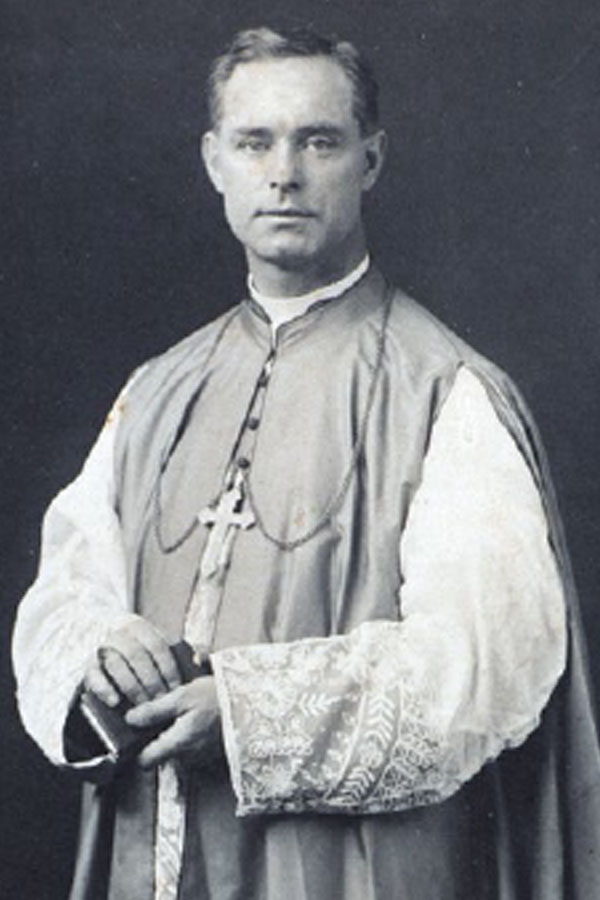
Bishop Maurice Patrick Foley
In 1910, Maurice Patrick Foley, a priest of the Diocese of St. Augustine, was appointed Bishop of Tuguegarao, Philippines. He was ordained by Bishop William J. Kenny. In 1916, he was named bishop of Jaro, Philippines, but died three years later of fever.
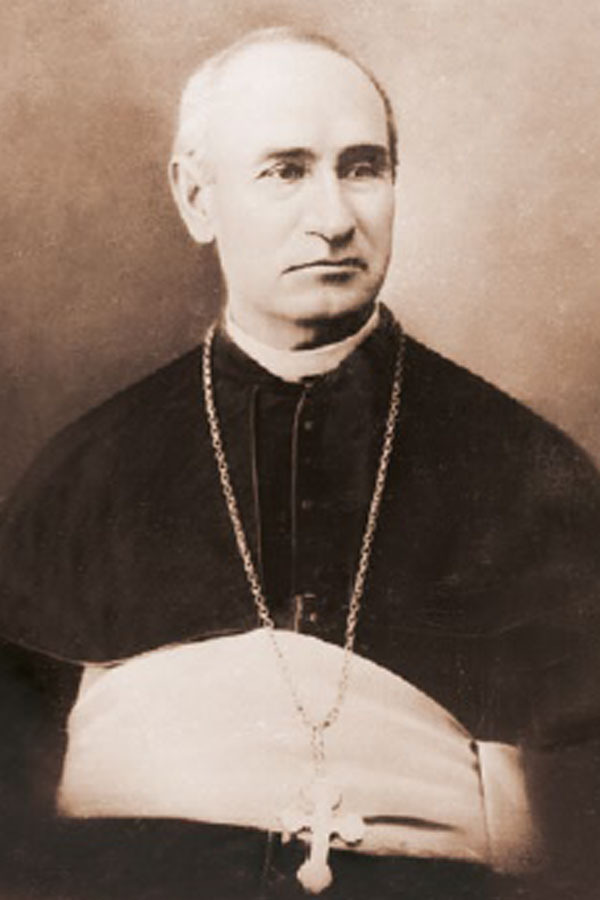
Bishop Dominic Manucy
In 1875, Manucy was named vicar apostolic of the newly established Vicariate of Brownsville, Texas, and in 1884 he was named Bishop of Mobile. He died in 1885. Pellicer served as a Confederate chaplain during the Civil War. In 1865 he was assigned to the cathedral in Mobile, where he served until 1874 as rector and later vicar general of the diocese. In 1874, he was named bishop of the Diocese of St. Antonio, where he served until his death in 1880.
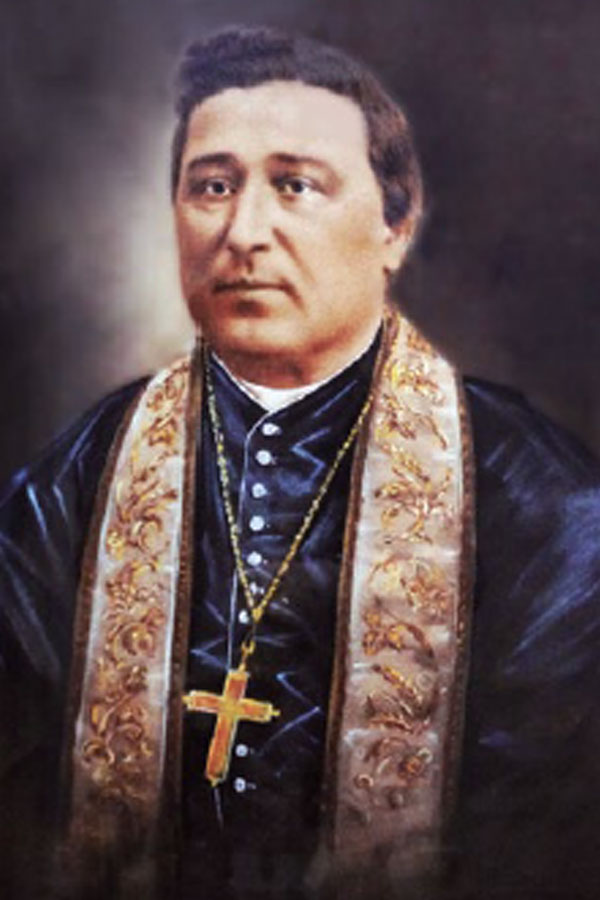
Bishop Anthony Pellicer
Eight men have been named bishop from the Diocese of St. Augustine, serving the church in far-flung places. Two Minorcan cousins – Dominic Manucy and Anthony Pellicer – served as bishops in the 19th century. They were grandsons of Francisco Pellicer, one of the leaders of the revolt that brought the Minorcans to St. Augustine in 1777. Both attended Spring Hill College and were ordained in the Diocese of Mobile.