A clear look at the steps being taken in parishes, schools and communities to keep children safe — and what families should know.
By Kathleen Bagg
April is Child Abuse Prevention Month. For many people, especially those outside the Catholic Church, there is still a real and understandable question: Is the Church doing enough to protect children?
It’s a fair question. It deserves a clear answer.
The Catholic Church today is not standing still on this issue. It has put in place protections, training and accountability measures that are active in parishes, schools and ministries every day — not just in April.
Across the United States, the Church requires safe environment training for clergy, staff and volunteers who work with minors. These programs help adults recognize warning signs of abuse, respond appropriately and create safe environments for children.
The U.S. bishops adopted the Charter for the Protection of Children and Young People in 2002, establishing national standards for preventing abuse, responding to allegations and supporting victims. In Florida, the bishops have expanded those protections to include vulnerable adults, reflecting a broader commitment to safeguarding all who may be at risk.
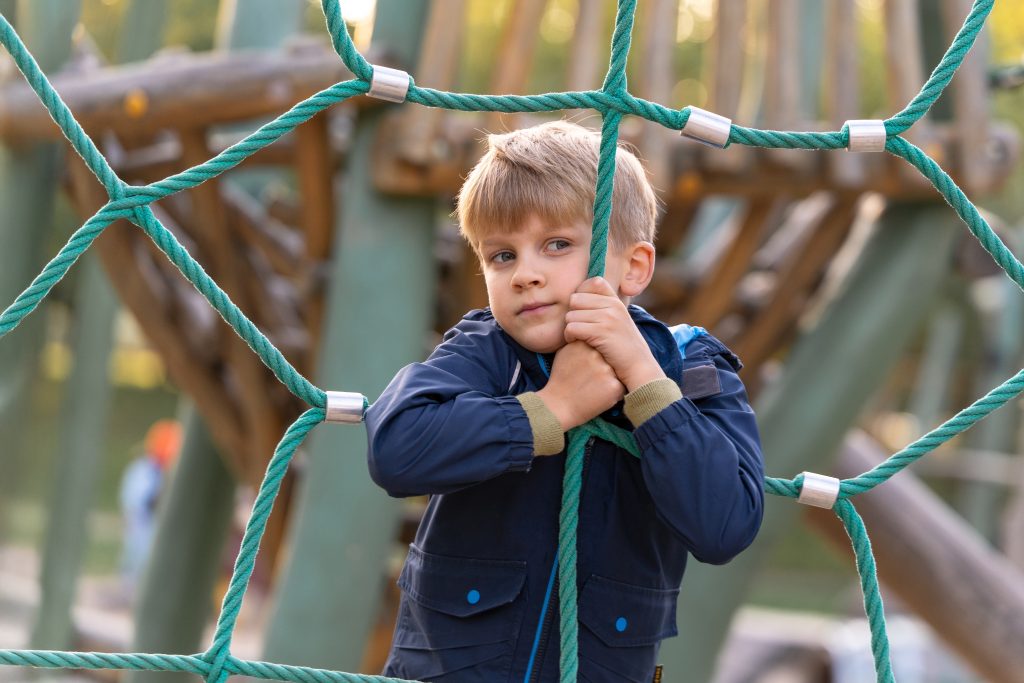
The risks children face today are not only physical — they are increasingly digital. Social media, gaming platforms and messaging apps have created new ways for predators to target young people. Parents and caregivers are encouraged to remain actively involved; understand the platforms their children use and maintain open conversations about online safety.
The Church continues to support victims and survivors through counseling, victim assistance programs and opportunities for healing. It also works with law enforcement and national organizations to ensure accountability. Reporting abuse is not only encouraged — it is expected.
Child Abuse Prevention Month reminds us that protecting children is not the responsibility of one institution alone. It belongs to all of us.
The Church has learned hard lessons. Those lessons have led to stronger protections, better training and a deeper understanding of what it means to safeguard the dignity of every child.
That work continues — quietly, consistently and often without recognition.
But it is happening.
And protecting children is not only the responsibility of the Church. It belongs to all of us.
Protecting Children: What You Can Do
Recognize the signs
- Sudden changes in behavior, withdrawal, anxiety or secrecy
- Unexplained injuries or fear of certain people or places
Talk with your children
- Have open conversations about online safety
- Encourage them to speak to a trusted adult if something feels wrong
Create safer environments
- Use parental controls and review apps and games
- Keep devices in common areas of the home
Report concerns
- Call (911) – your local law enforcement office if a child is in immediate danger
- Report suspected exploitation at report.cybertip.org
- To Report Abuse, the Diocese of St. Augustine recommends you call the police or the Department of Children and Families at (800) 962-2873. Or call the Diocesan Victim Assistance Coordinator at (904) 208-6979 or email inquiries@dosafl.com. To report abuse by a bishop, call (800) 276-1562 or visit www.reportbishopabuse.org.
Get help
- Boys Town National Hotline: 800-448-3000
- National Center for Missing & Exploited Children: 800-843-5678
Get involved
- Wear blue during April to support Child Abuse Prevention Month
- Observed on April 26, “Blue Sunday” is a National Day of Prayer for victims of abuse. On this day, please pray the Holy Rosary or the Divine Mercy Chaplet and spend time in prayer before the Blessed Sacrament.
- For additional resources, visit the U.S. Catholic Bishops website by visiting https://www.usccb.org/committees/communications/abuse-prevention-resources
If you want more information on child protection in the Diocese of St. Augustine, email Donna Wilhelm, director of the Safe Environment Office at dwilhelm@dosafl.com or call (904) 262-3200, ext. 104.